Non-destructive assay of nuclear materials using neutrons is expected to be useful for the detection of hidden nuclear materials as well as the identification and quantification of nuclear materials in nuclear fuels. Neutron resonance transmission analysis (NRTA) method is one of these methods. In this method, by irradiating the material of interest with neutrons and constructing and analyzing the energy spectrum of neutrons transmitted through the material, the neutron-absorbing materials contained can be identified and quantified. The conventional NRTA apparatus is inevitably large because the use of particle accelerator, which is space consuming, is essential to generate neutrons. The needs of radiation shielding further enlarge the required space for the apparatus.
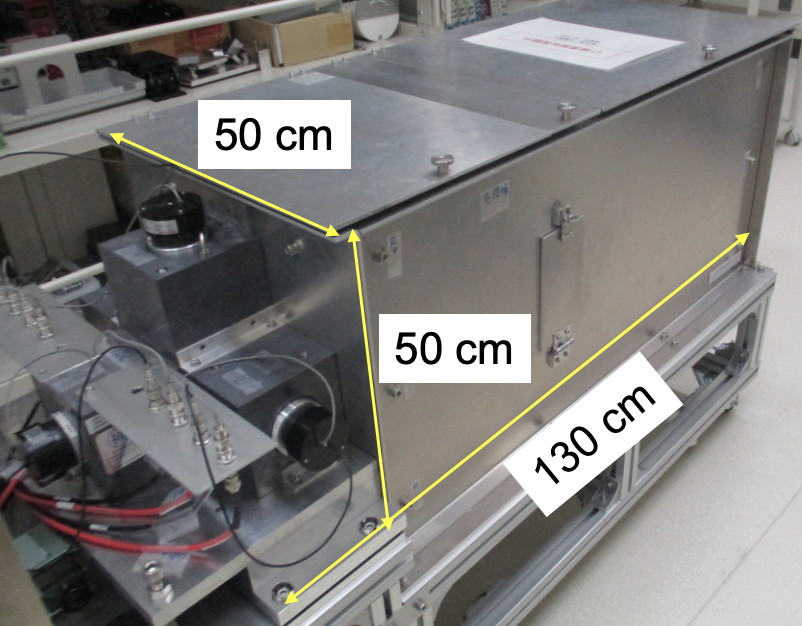
The aim of the present study is to develop a downsized NRTA apparatus for the ease of use and maintain. At present, we are developing a table-top sized NRTA system which utilizes a fingertip-sized radioactive neutron source ($^{252}\mathrm{Cf}$) as the neutron generator, an image of which is shown in Figure 1. The dimensions of this apparatus are as small as 130cm in length, 50cm in both height and width, which is significantly smaller than conventional NRTA systems. At the same time, the use of $^{252}\mathrm{Cf}$ as the neutron source eliminates the need for bulky radiation shielding.
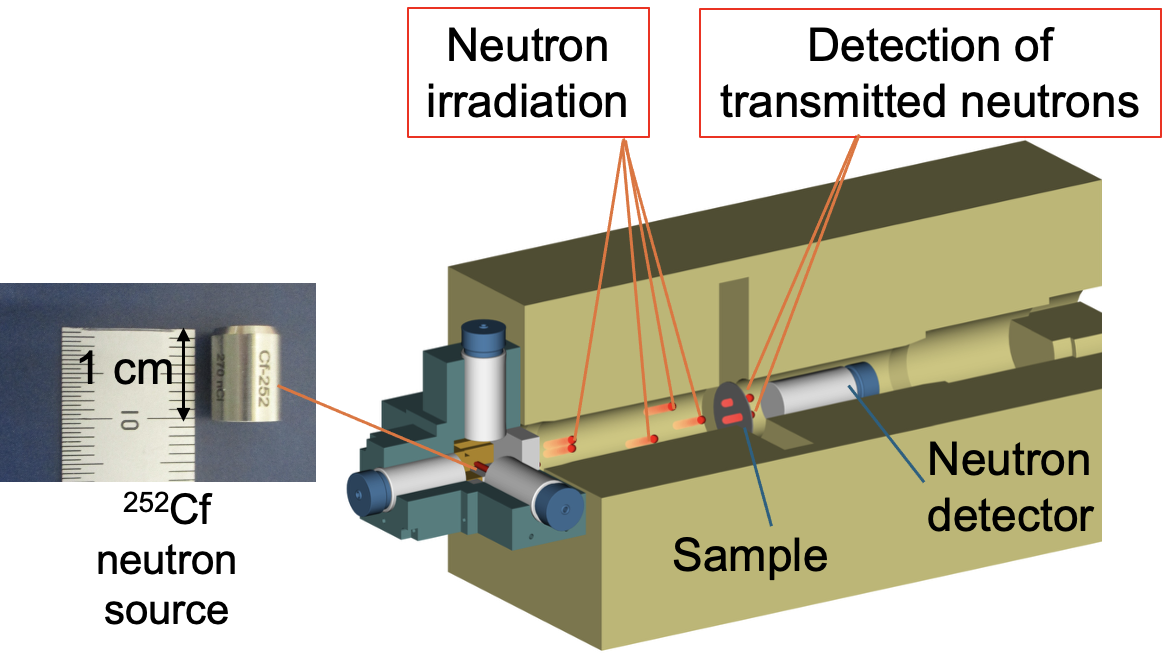
Figure 2 as well as the list immediately below shows the flow of this method.
- The measurement sample is irradiated by neutrons from a $^{252}\mathrm{Cf}$ source.
- If some of the isotopes in the sample have neutron-absorbing resonances, the neutrons with the energies corresponding to those of resonances are absorbed, and therefore
- these neutrons will not reach the detector, making dips in neutron energy spectrum at the corresponding energies (the energy of neutron is deduced with the Time-of-Flight method).
- By analyzing the dips, the neutron-absorbing materials contained in the sample are identified.
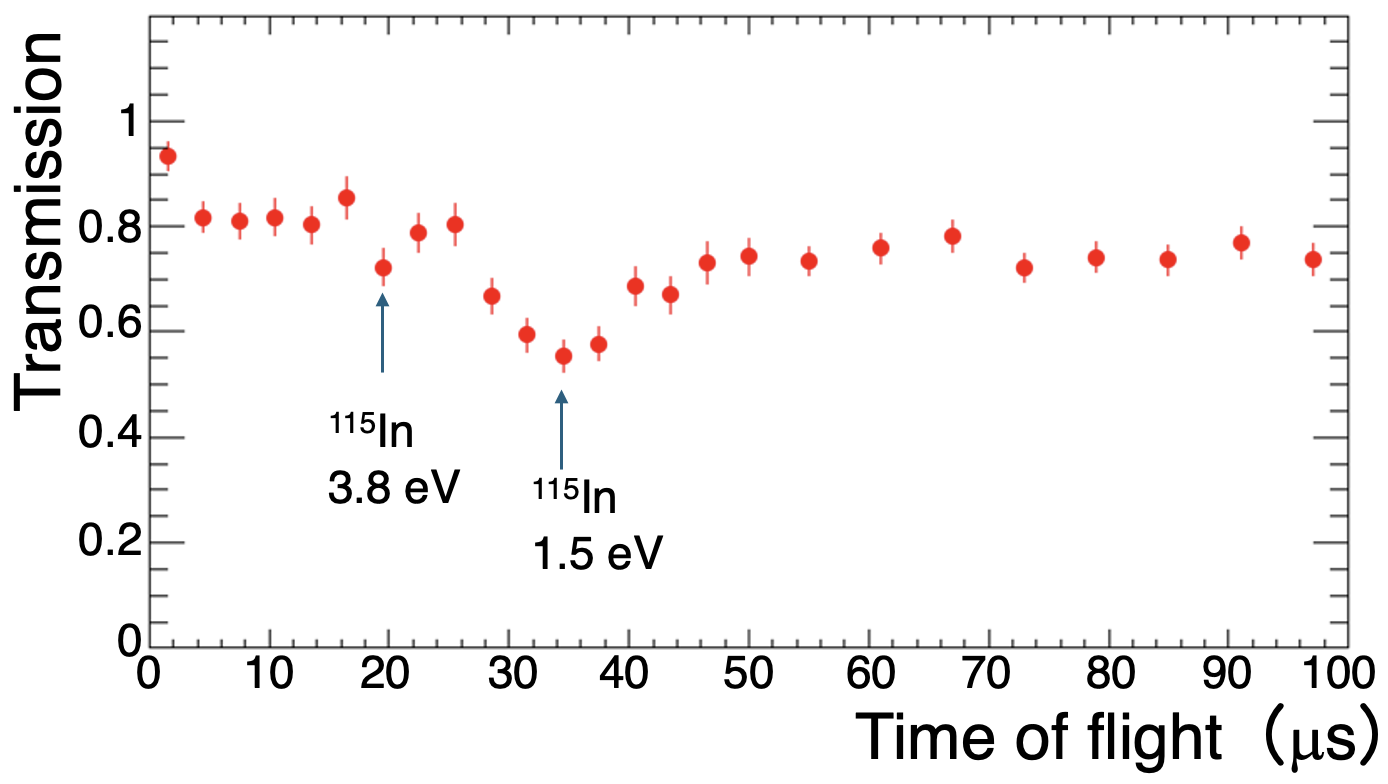
Figure 3 shows one of the obtained results using the currently developing device. The figure clearly demonstrates that the device has the ability to identify isotopes (the sample used has resonances at about the same energies as a nuclear material and was used to mimic it).